Exploring the World of Hansons Siding
Delve into the realm of Hansons Siding, a fascinating topic that intertwines history, architecture, and construction. Discover the unique characteristics and significance of this versatile material as we take a closer look at its various aspects.
Introduction to Hansons Siding
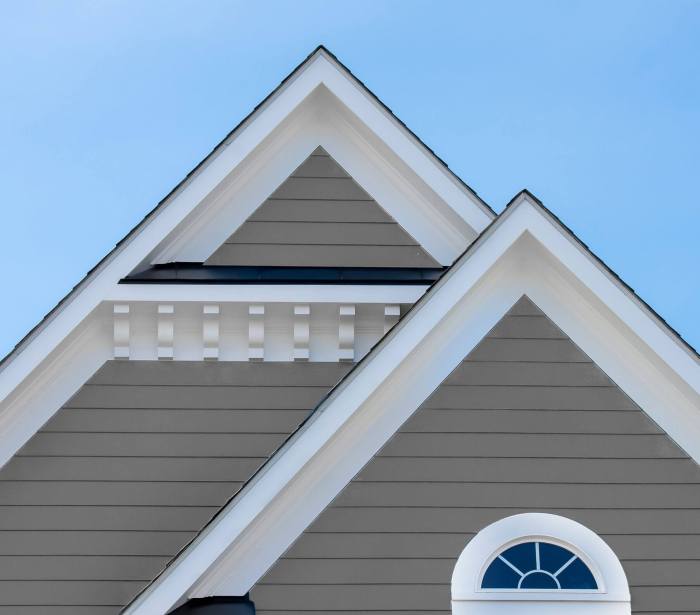
Hansons Siding has a rich history dating back to the early 1900s when it was first established by the Hanson family in a small town in the Midwest. Originally starting as a local siding company, Hansons Siding quickly gained a reputation for high-quality workmanship and exceptional customer service, leading to its expansion across the region.In the realm of architecture and construction, Hansons Siding holds a significant place as a trusted provider of durable and aesthetically pleasing siding solutions.
With a commitment to using premium materials and skilled craftsmanship, Hansons Siding has contributed to enhancing the appearance and protection of countless residential and commercial buildings.One of the unique features of Hansons Siding is its wide range of customizable options, allowing customers to choose from various styles, colors, and textures to suit their specific preferences and architectural needs.
Whether it’s traditional vinyl siding, modern fiber cement panels, or eco-friendly composite materials, Hansons Siding offers versatility and quality that sets it apart in the industry.
Types of Hansons Siding
When it comes to Hansons Siding, there are several types of materials used to enhance the aesthetics and functionality of buildings. Each material comes with its own set of benefits and drawbacks, making it important to choose the right one based on specific needs and preferences.
Vinyl Siding
- One of the most popular options due to its affordability and low maintenance requirements.
- Comes in a variety of colors and styles to suit different architectural designs.
- However, it may crack or fade over time and is not as durable as other materials.
Fiber Cement Siding
- Known for its durability and resistance to fire, insects, and rot.
- Can mimic the look of wood, stucco, or masonry without the high maintenance.
- On the downside, it is heavier and may require professional installation.
Wood Siding
- Offers a natural and timeless look that can enhance the charm of a building.
- Eco-friendly option that can be painted or stained for a personalized touch.
- However, it is prone to rot, pests, and requires regular maintenance to preserve its appearance.
Aluminum Siding
- Lightweight and rust-resistant material that can last for many years.
- Available in a wide range of colors and finishes for customization.
- May dent easily and is not as energy-efficient as other options.
Installation Process
Installing Hansons Siding is a straightforward process that can enhance the aesthetics and durability of your home. Here is a detailed step-by-step guide to help you with the installation.
Gathering Materials and Tools
Before starting the installation process, make sure you have all the necessary materials and tools ready. This includes the Hansons Siding panels, fasteners, adhesive, level, tape measure, saw, hammer, nails, and safety gear.
Preparation
- Start by preparing the surface where the siding will be installed. Make sure the area is clean, dry, and free of any debris.
- Measure the dimensions of the walls accurately to ensure the siding fits perfectly.
- Apply a moisture barrier to prevent water damage and ensure proper insulation.
Installation
- Begin by installing the corner pieces and J-channels to provide a clean finish and secure the edges.
- Place the first panel at the bottom corner of the wall, ensuring it is level and properly aligned.
- Continue installing the panels, overlapping them slightly to create a seamless look.
- Use the appropriate fasteners to secure the panels to the wall, following the manufacturer’s guidelines.
- Trim the panels as needed to fit around windows, doors, and other obstacles.
- Finish the installation by adding the finishing touches, such as trim pieces and accessories.
Important Considerations
- Make sure to follow the manufacturer’s instructions and recommendations during the installation process.
- Take necessary safety precautions, such as wearing protective gear and using proper tools.
- Check the weather forecast before starting the installation, and avoid installing siding during extreme weather conditions.
Final Inspection
Once the installation is complete, inspect the siding carefully to ensure everything is secure and properly aligned. Make any necessary adjustments before finishing the project.
Maintenance and Care
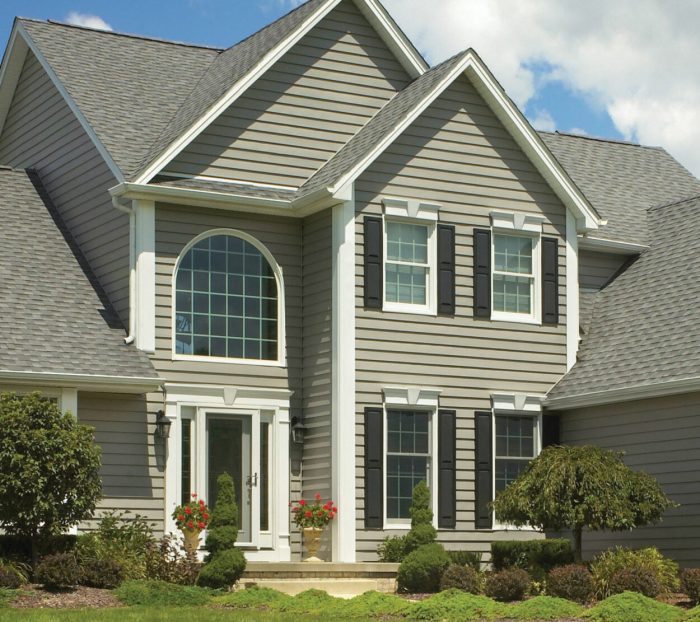
Proper maintenance and care are essential to ensure the longevity and appearance of your Hansons Siding. By following recommended practices, you can preserve the quality of your siding for years to come.
Recommended Maintenance Practices
- Regularly inspect the siding for any signs of damage, such as cracks, warping, or discoloration.
- Clean the siding at least once a year using a mild detergent and water to remove dirt, debris, and mildew.
- Trim any vegetation near the siding to prevent mold and mildew growth.
- Check for any loose panels or fasteners and tighten or replace them as needed.
Cleaning and Caring Tips
Regular cleaning and proper care can help extend the lifespan of your Hansons Siding:
- Use a soft cloth or brush to gently scrub the siding during cleaning to avoid scratches.
- Rinse the siding thoroughly after cleaning to remove all soap residue.
- Avoid using abrasive cleaners or harsh chemicals that can damage the siding’s finish.
- Consider applying a protective coating or sealant to enhance the durability of the siding.
Common Issues and Solutions
Despite proper maintenance, some common issues may arise with Hansons Siding:
- Cracking: Address cracks by filling them with caulk or sealant to prevent water infiltration.
- Fading: Consider repainting or applying a UV-resistant coating to restore color and protect against further fading.
- Mold and Mildew: Clean affected areas with a mixture of water and bleach to remove mold and prevent regrowth.
- Warped Panels: Replace warped panels to maintain the structural integrity of the siding.
Last Recap
In conclusion, Hansons Siding stands as a crucial element in the world of construction and design. Its history, types, installation process, and maintenance all contribute to its enduring appeal and functionality. Dive into the world of Hansons Siding and unlock the secrets to its timeless allure.
Helpful Answers
What are the common materials used for Hansons Siding?
Hansons Siding can be made from materials such as vinyl, fiber cement, wood, and metal.
How can I maintain Hansons Siding?
Regular cleaning with mild soap and water, along with inspections for damage, can help maintain the quality of Hansons Siding.
Are there any specific tools required for installing Hansons Siding?
Tools like a saw, hammer, level, and nails are commonly used for the installation process of Hansons Siding.