Exploring Homewyse Siding Installation: A Comprehensive Guide
Embark on a journey through the world of homewyse siding installation, where we unravel the intricacies and importance of this crucial home improvement process. From understanding the significance of proper installation to delving into the various siding materials and the benefits of professional expertise, this guide promises to equip you with valuable insights for your next project.
Delve deeper into the cost factors, preparation steps, installation process, and maintenance practices that will ensure a successful and enduring siding project for your home.
Overview of Homewyse Siding Installation
Proper siding installation is crucial for protecting your home from the elements and maintaining its structural integrity. It not only enhances the aesthetic appeal of your property but also adds value to it in the long run.
Common Types of Siding Materials
- Vinyl Siding: Affordable, low maintenance, and available in a variety of colors and styles.
- Fiber Cement Siding: Durable, fire-resistant, and resistant to rot and insects.
- Wood Siding: Traditional and natural appeal, but requires more maintenance to prevent decay.
- Aluminum Siding: Lightweight, durable, and resistant to rust, but can dent easily.
Benefits of Hiring Professionals
- Expertise: Professionals have the knowledge and experience to ensure a proper installation that meets industry standards.
- Efficiency: Hiring professionals can save you time and effort, as they have the tools and skills to complete the job efficiently.
- Quality Workmanship: Professionals can deliver high-quality results that are long-lasting and durable, reducing the need for repairs in the future.
Cost Factors
When it comes to homewyse siding installation, there are several cost factors to consider. These factors can significantly impact the overall expenses of the project. Understanding these cost factors is essential for planning and budgeting effectively.
Siding Materials
- Vinyl Siding: Vinyl siding is one of the most affordable options, with an average cost of $3 to $7 per square foot. It is durable and low maintenance, making it a popular choice for many homeowners.
- Fiber Cement Siding: Fiber cement siding is a bit more expensive, ranging from $5 to $12 per square foot. However, it offers excellent durability and resistance to fire, insects, and rot.
- Wood Siding: Wood siding can cost between $6 to $15 per square foot, depending on the type of wood used. While wood siding provides a beautiful and natural look, it requires more maintenance compared to other materials.
- Metal Siding: Metal siding typically costs between $7 to $15 per square foot. It is known for its durability and resistance to extreme weather conditions.
Labor Costs
Labor costs play a significant role in the overall expenses of siding installation. The cost of labor can vary based on factors such as the size of the project, location, and the experience of the contractor. On average, labor costs can range from $40 to $70 per hour.
It is crucial to obtain multiple quotes from reputable contractors to ensure you are getting a fair price for the labor involved in the installation process.
Preparation and Planning
When it comes to siding installation, proper preparation and planning are key to ensuring a successful and smooth process. Taking the time to get everything ready before starting the installation can save you time, money, and frustration down the road.
Essential Steps for Preparing the Home for Siding Installation
- Inspect the exterior of your home for any damage or issues that need to be addressed before installing the siding.
- Clean the area where the siding will be installed to ensure a smooth surface for the new siding.
- Remove any old or damaged siding, trim, or other materials that may interfere with the installation process.
- Repair any underlying issues, such as rot or water damage, to prevent further damage once the new siding is installed.
- Ensure that the walls are properly insulated and waterproofed to provide a solid foundation for the siding.
Importance of Proper Planning Before Starting the Installation Process
Proper planning is essential to avoid unexpected issues and delays during the siding installation. By carefully planning out the project, you can ensure that you have all the necessary materials, tools, and resources in place before you begin. This can help you stay on track and within budget throughout the installation process.
Tips for Ensuring a Smooth Workflow During Installation
- Create a detailed timeline and schedule for the installation process, including milestones and deadlines for each phase of the project.
- Communicate effectively with your contractor or team to ensure everyone is on the same page and working towards the same goals.
- Double-check measurements and calculations to avoid costly mistakes or rework during the installation process.
- Keep a clean and organized work area to minimize distractions and ensure a safe and efficient work environment.
- Stay flexible and be prepared to adapt to any unexpected challenges that may arise during the installation process.
Siding Installation Process
![How To Replace Siding On A House [Step By Step Guide]](https://hd.vlaw.my.id/wp-content/uploads/2025/06/design-87.jpg "How To Replace Siding On A House [Step By Step Guide]")
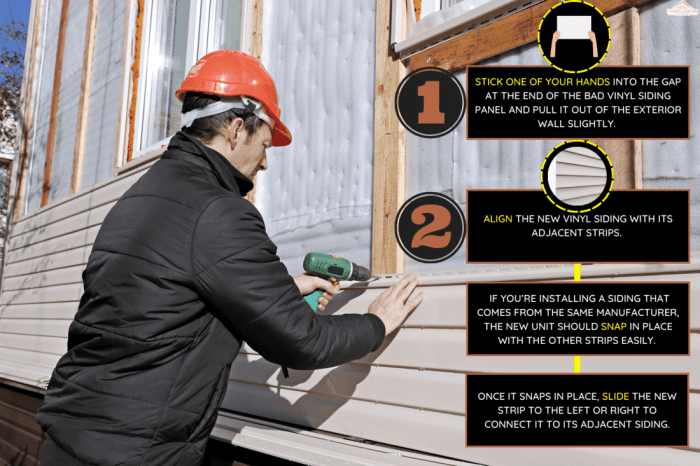
Installing siding on a home involves a step-by-step process that requires the right tools, materials, and techniques to ensure a successful outcome. Here is an overview of the siding installation process along with tips for durability and longevity.
Step-by-Step Process
- Prepare the surface: Clean the existing exterior, repair any damage, and make sure the surface is smooth and level.
- Measure and cut siding: Take accurate measurements of the area to be covered and cut the siding panels to fit accordingly.
- Install starter strips: Begin by installing starter strips at the bottom of the wall to provide a base for the siding panels.
- Attach siding panels: Secure the siding panels to the wall using nails or screws, making sure they are level and properly aligned.
- Add corner pieces and trim: Install corner pieces and trim to finish the edges and create a polished look.
- Finish with caulking and sealing: Seal gaps and joints with caulking to prevent moisture infiltration and ensure a tight fit.
Tools and Materials
| Tools | Materials |
|---|---|
| – Tape measure | – Siding panels |
| – Level | – Starter strips |
| – Hammer or nail gun | – Nails or screws |
| – Saw or siding cutter | – Caulk |
Tips for Durability and Longevity
- Choose high-quality siding material that is durable and weather-resistant.
- Follow manufacturer’s instructions for installation to ensure proper fit and function.
- Regularly inspect and maintain the siding to address any damage or wear promptly.
- Consider adding additional insulation or moisture barriers to improve energy efficiency and protect the siding.
- Avoid using excessive force during installation to prevent damage to the siding panels.
Maintenance and Care

Proper maintenance and care are essential to ensure the longevity and pristine condition of your siding. By following some simple practices, you can keep your siding looking great for years to come.
Regular Cleaning
- Regularly clean your siding with a mild detergent and water solution to remove dirt, dust, and debris.
- Consider using a power washer on a low setting to clean hard-to-reach areas, but be cautious not to damage the siding.
- Inspect the siding for mold or mildew growth and treat it promptly to prevent further spread.
Maintenance Inspections
- Regularly inspect your siding for any signs of damage, such as cracks, chips, or warping.
- Address any issues immediately to prevent further damage and maintain the integrity of the siding.
- Check for loose or missing pieces and secure or replace them as needed.
Painting and Sealing
- Consider repainting or resealing your siding every few years to protect it from the elements and maintain its appearance.
- Choose high-quality paint or sealant that is specifically designed for the type of siding you have.
- Follow the manufacturer’s guidelines for painting or sealing to ensure proper application and effectiveness.
Final Wrap-Up
As we wrap up our discussion on homewyse siding installation, remember that attention to detail, proper planning, and regular maintenance are key to preserving the beauty and functionality of your home’s exterior. Armed with this knowledge, you’re now ready to embark on your siding installation journey with confidence.
FAQ Insights
What are the common types of siding materials used in installations?
Common types of siding materials include vinyl, wood, fiber cement, and metal. Each material has its own benefits and considerations for installation.
How can I ensure the longevity of my siding
Regular cleaning, inspections for damage, and timely repairs are essential to prolong the lifespan of your siding. Additionally, following manufacturer recommendations for maintenance can help preserve the quality of the material.
Do labor costs significantly impact the overall expenses of siding installation?
Labor costs can indeed have a significant impact on the overall expenses of siding installation. Hiring professionals for the job ensures quality workmanship and can ultimately save you money in the long run by preventing potential issues that may arise from improper installation.